Richmond guide
Britannia Shipyards National Historic Site
Ten minutes east along the Steveston boardwalk there is a cluster of grey buildings standing on stilts over the Fraser, and it is the best thing in Richmond BC that most people walk right past. What to see at Britannia Shipyards, when to go, why the Murakami house matters, and where to eat after.

Written by June Tam
Most people who come to Steveston for the day never get as far as Britannia. They park near the wharf, eat fish and chips, walk out to Garry Point, and drive home. I understand it. The village end is where the noise is. But the boardwalk keeps going east past the last of the shops, and ten minutes along it you reach a cluster of grey wooden buildings standing on stilts over the mud, and that is the best thing in this city.
I could walk there from my place any day I liked, and I still make a point of going a few times a year. It changes with the weather and with whoever is on shift, which is not something you can say about most heritage sites.
What you are actually looking at
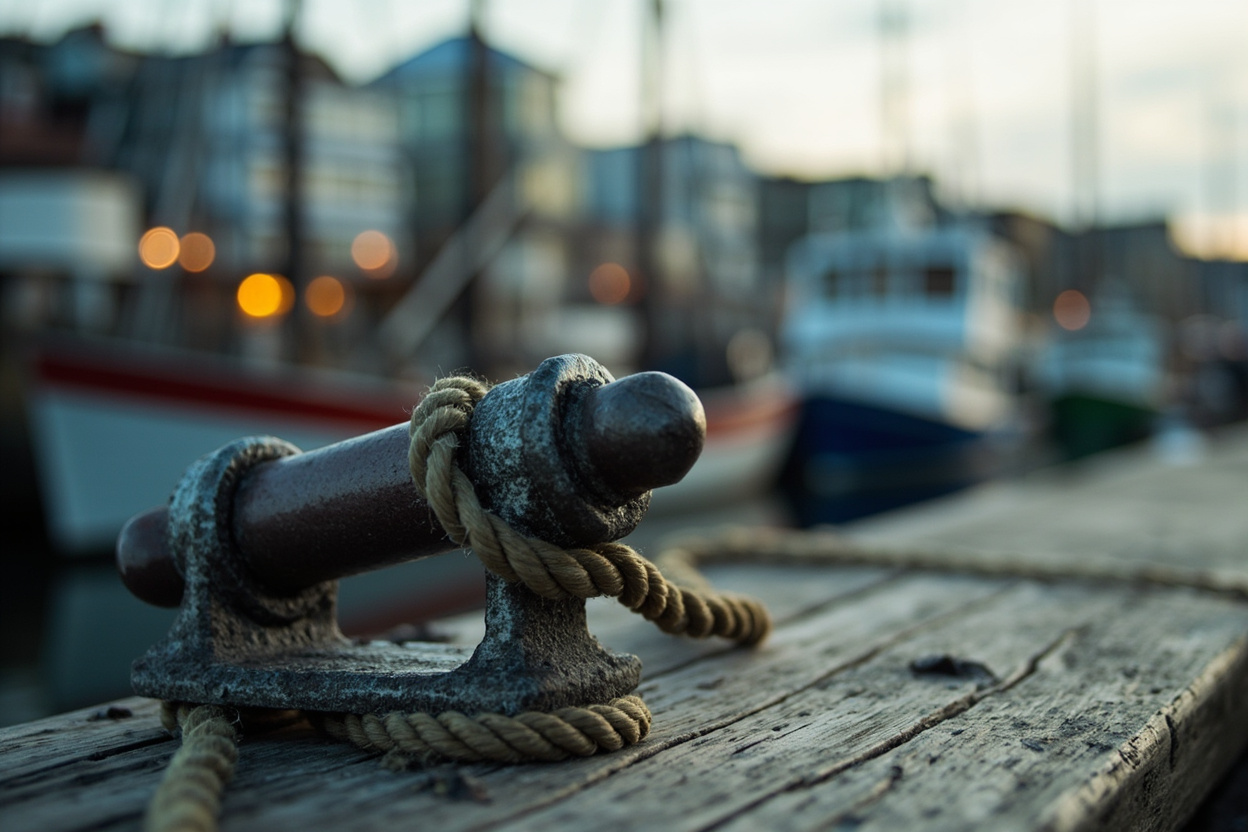
It began as a cannery in the late 1800s, which is what most of this shoreline was, and then it stopped being a cannery and became a shipyard, and boats came out of it for decades after. When the work finally ended the buildings stayed where they were, sagging on their pilings, and the city eventually did the slow expensive thing and stabilised them instead of clearing the site. It is a national historic site now. The reason that matters is that almost nothing else on this stretch of the Fraser survived in place. Everywhere else the pilings got pulled and the land went to condos.
So this is not a reconstruction. The floors are the original floors, they slope, and the whole complex smells like creosote, low tide and old machine oil. On a still morning you can hear the river working underneath the boards. I have brought people here who were expecting a museum and were quietly unprepared for how much it feels like a place where somebody put a tool down and never came back for it.
The buildings worth your time
The big shipyard building is the obvious one, full of tools and hulls and the rails and winches that moved boats in and out of the water. Take your time in there. Volunteers are usually around, some of them from families that did this work, and if you ask one honest question you will get twenty minutes you did not budget for. That is the real experience of the place. The labels matter less here than the people standing next to them.
Then there is the net loft, where seine nets were hung and mended, a bigger and more physical job than the phrase suggests once you see the size of the room. There are bunkhouses kept as bunkhouses, where the Chinese, Japanese and Indigenous crews who did the actual cannery work lived through the seasons. They are small rooms with a lot of beds. The site does not soften that, and I think that is the right call.
The Murakami house
If you only have twenty minutes, spend them in the Murakami house and the boat works beside it. A Japanese Canadian family lived and worked here, raised a large family in a very small footprint, and in 1942 were forced out along with everyone else of Japanese descent on this coast. Their things are in the house. The kitchen is set as a kitchen. There is a garden outside it.
I do not have a clever way to write about this. My own family arrived here decades later, and Steveston's Japanese Canadian history is not mine to claim, but it is the history of the street I live on. A very large share of this village was Japanese Canadian before the war, and then within months it was not. The house makes that a specific family with specific dishes instead of a paragraph in a textbook, and I think every kid who grows up in Richmond should be walked through it once. The school groups get that. Adults who grew up elsewhere in Metro Vancouver often do not know it happened here at all.
When to go, and what it costs
The site runs seasonal hours, wider in summer and thinner in winter, and individual buildings sometimes stay shut when there is nobody to staff them. Check before you commit a Sunday to it. Last time I went there was no admission charge and a donation box near the entrance, which is the sort of thing that can change, so bring a bit of cash and do not be a freeloader if the volunteers have just given you their afternoon.
Morning beats afternoon. The light comes in low across the water, the boardwalk is empty, and you get the volunteers before they are talked out. Weekends bring more staff and more programming, so if you want demonstrations rather than quiet, go Saturday. In summer the Maritime Festival takes over the whole site with wooden boats, visiting ships and a great deal of cheerful noise. It is a good day out and it is also the single worst day to come if what you wanted was the empty version. That festival usually lands on the BC Day long weekend, but confirm the dates rather than trusting my memory.
Getting there and parking
There is a small lot at the site off Westwater Drive and it fills early. My advice is to ignore it. Park in the village instead, or better, park nowhere and walk. From the Steveston waterfront it is a flat, easy boardwalk the whole way, stroller friendly and manageable with a wheelchair for most of the route, with benches and the river on your right the entire time. The walk is a genuine part of the visit rather than a cost of it. You pass the docks and the newer stretch of waterfront, and by the time the stilt buildings come into view you have your bearings.
By bike, come along the dyke, and from the far end of the site you can carry on east toward London's Landing and keep going. On transit I will be blunt: it is a bus and then a walk, because Steveston sits a long way from any Canada Line station. Plan for the trip taking longer than you think.
Going with kids
It works better than you would expect for roughly the six to ten range. There are things to climb into, ropes and tools to look at, boat shapes to run around, and the whole thing is outdoors with open water on one side, which is either the appeal or the anxiety depending on your particular child. Hold hands near the edges. Under four they will mostly enjoy the boardwalk and the ducks and be entirely indifferent to the interpretation, which is a perfectly good day as well.
Where to eat after
Walk back into the village hungry. Cannery Cafe is the closest thing to a natural stop after a morning like this and it suits the mood. If it is a fish and chips day, Pajo's is what I default to for eating out over the water, and I know people who will argue hard for Dave's Fish & Chips instead, which is a fight this village has been having my entire life and will not settle. Steveston Bakery for a loaf and something sweet on the way home. Britannia Brewing shares its name with the shipyard, which makes it the tidiest possible end to the afternoon if you want a pint and a sit. With kids it is Timothy's Frozen Yogurt or Sweet Surrender Gelato, or Outpost Mini Donut Company, and I am not going to pretend the order is only for them.
My honest read
Britannia is not a spectacle. There is no film, no ride, nothing that competes for a child's attention the way a screen does, and if your family needs to be entertained rather than shown something, you will be out in forty minutes. What it has instead is the boring structural kind of realness. Real buildings, in their real place, over the water they were built above, with people who care about them standing inside.
When visitors want the polished version with the full interpretation and a ticket, I take them to the Gulf of Georgia Cannery, which is very good at being that. I bring the people I actually like here.
From the directory
Mentioned in this article
Every place named above has its own page here, with the address, the hours and the nearest station.

Cannery Cafe
All-day cafe on Moncton Street doing brunch, fusion paellas, eggs benedict and handmade Shanghai dumplings. Fans of Once Upon a Time will recognize the frontage as Granny's Diner. Family-friendly with a kids' menu and a private room for groups.
View details

Dave's Fish & Chips
A no-frills Moncton Street chip shop that regulars rank against the wharf stands. Halibut, cod and salmon come battered to order with hand-cut fries, plus chowder and burgers. Small dining room, steady takeout trade, and less of a lineup than the waterfront.
View details

Outpost Mini Donut Company
A Steveston counter frying gourmet mini donuts to order, with classic cinnamon sugar alongside a rotating list of seasonal flavours and filled versions. Mixed boxes let you try several, and they are best eaten walking down toward the boardwalk.
View details
Steveston Bakery
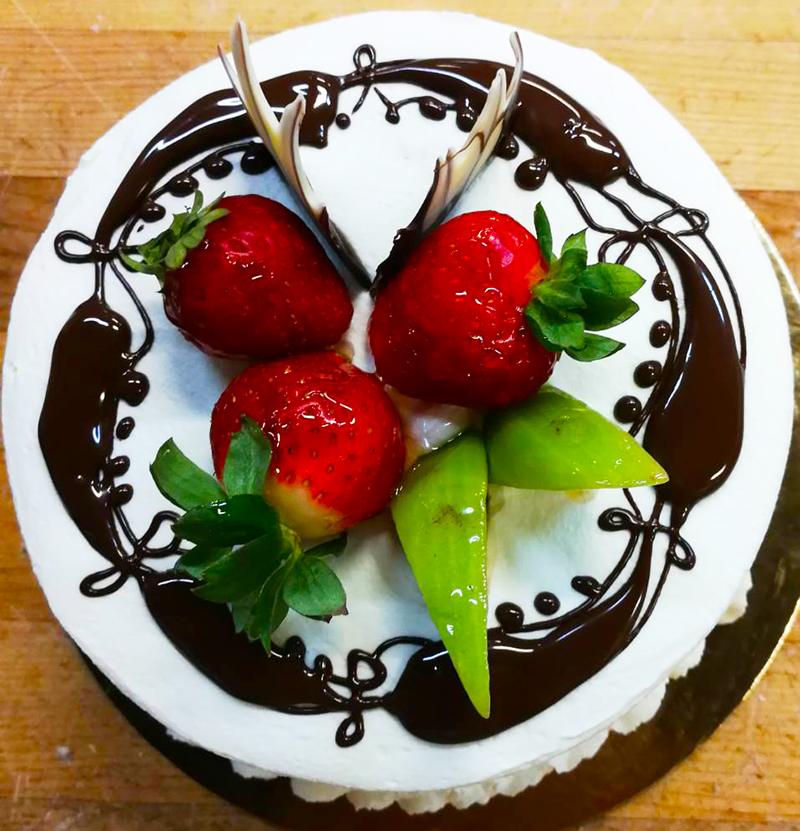
A family-run Steveston fixture since 1989, doing scratch breads, pies, cookies and custom cakes including eggless versions. The attached cafe serves all-day breakfast, sandwiches and a rotating homemade soup, so locals treat it as much a diner as a bakery.
View details
Sweet Surrender Gelato
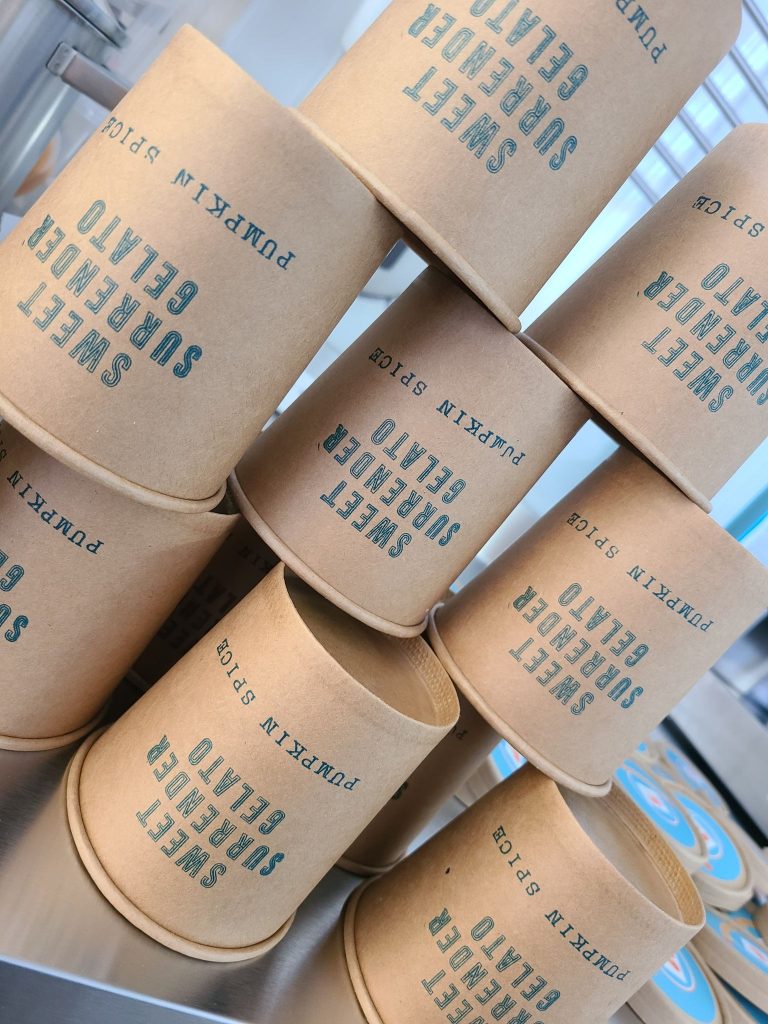
A Steveston gelato shop churning artisanal batches in house with Asian-leaning flavours such as Uji matcha, Hong Kong milk tea and espresso, plus mango yuzu and strawberry rose sorbetto. The owner trained in Italy; there are dairy-free options too.
View details

Timothy's Frozen Yogurt
A Steveston Landing gelato parlour making small-batch Italian gelato in house from fresh local ingredients, alongside frozen yogurt. Classic flavours sit beside originals, and the waterfront location is why the line stretches on summer evenings.
View details
About the author
June Tam
June Tam grew up in Broadmoor and lives in Steveston. She writes Richmond Local and rides the West Dyke Trail most mornings with her dog, Biscuit.